We Bought an Anker SOLIX Power Station. Here Is What Living With It Is Actually Like
Not a spec sheet. What a portable power station changed at home, at the desk and on a camping trip — plus the weight, the app and the price, honestly.
The first time it mattered was a Tuesday. A storm took the power out at 6:40 in the evening, right in the middle of a video call that had already been rescheduled twice. The router died, the laptop switched to battery, and the call collapsed. That was the night I stopped treating a portable power station as camping equipment and started treating it as part of the house.
We ended up with three Anker SOLIX units over about six months: a big one for the house, a mid-size one that lives next to my desk, and a small one that goes in the car. This is the honest version of that experience — what each one is good at, what I would not buy again, and the parts that are genuinely irritating.
Why a brain-training site is writing about a power station
Fair question. Every game on this site is free, and there is no login or paywall anywhere. But the site still has bills: hosting, a domain, and the hours it takes to keep adding games and articles. Advertising covers part of it, and the rest comes from recommending products we already own and rate.
We picked Anker SOLIX because it is the brand we actually bought with our own money, and because a power station turns out to be surprisingly relevant to the way people use this site. Most of the training here takes five minutes on a phone or a laptop. When the power goes out, that five minutes is exactly what a lot of people are trying to protect — the small routine that keeps an evening from falling apart.
Everything below links to the brand’s official store. If you buy through those links we may earn a commission, and it costs you nothing extra. We would rather say that plainly than dress it up.
Official Anker SOLIX store · affiliate link. You pay the normal price; we may earn a small commission.
The three units, and what each one is actually for
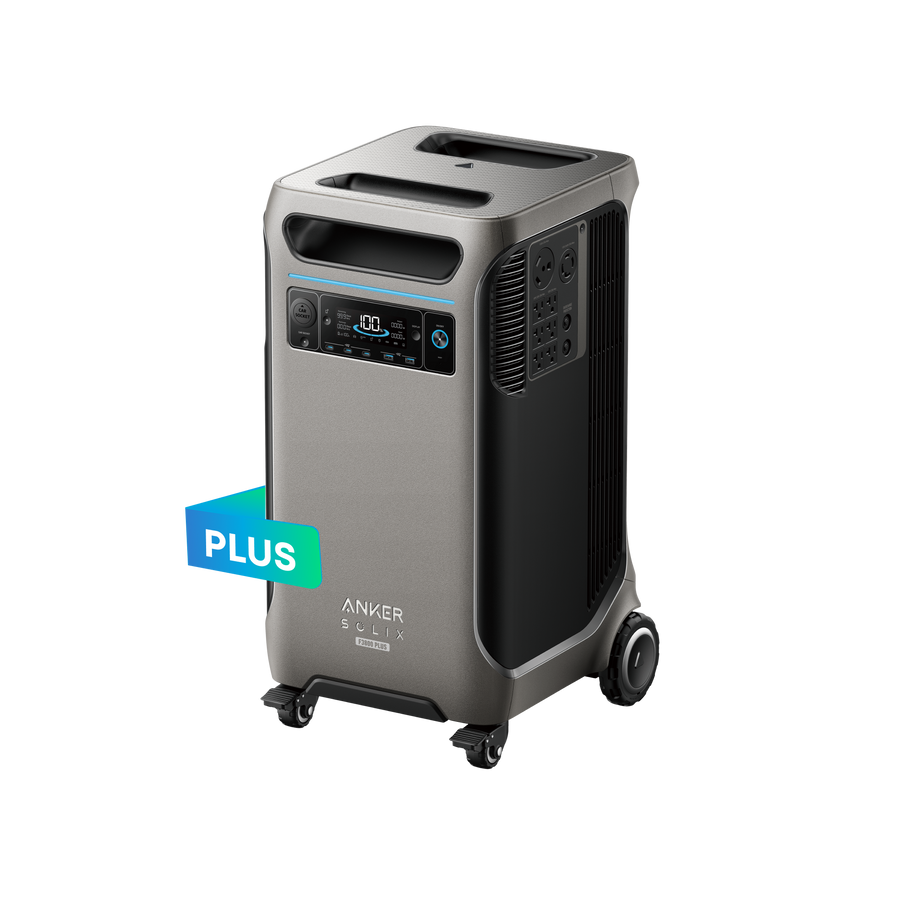
The big one is the F3800 Plus. It is a 3.84 kWh unit with 6,000W of AC output, and it handles 120V and 240V loads, which is the part that matters if you have anything wired for 240V. In practice it runs the fridge, the router, the lights and a couple of laptops for a long evening without complaining. The wheels and the handle are not a gimmick at this weight — you are not carrying it, you are moving it.
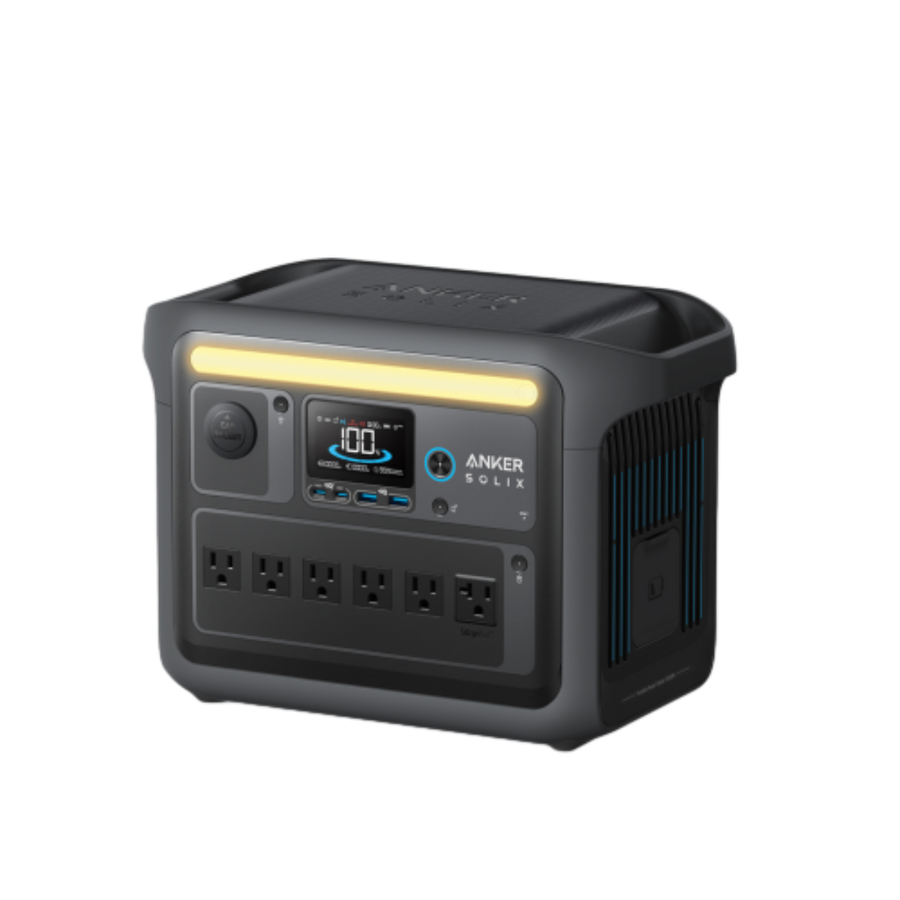
The one by my desk is the C1000X. It is 1,056Wh with 1,800W of output, and it has quietly replaced the mess of chargers under my desk. Laptop, monitor, phone, camera batteries — all of it hangs off one box that I can unplug and carry to another room. It recharges from a wall outlet in under an hour, which is the detail I did not expect to care about and now use constantly.
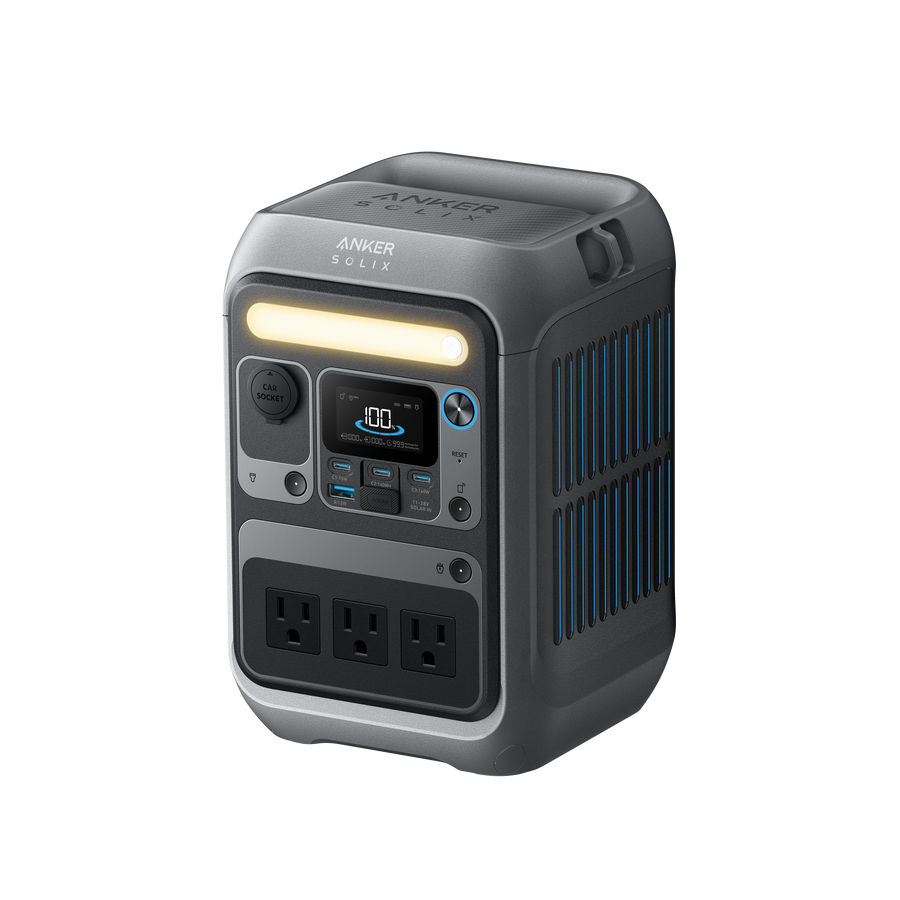
The C300 is the one that leaves the house. It is 288Wh with a 300W output, small enough to sit in a backpack and useful for a laptop, a camera, a fan and a phone for a day out. It is not going to run anything with a heating element, and it is not meant to.
What actually changed day to day
- The power cuts stopped being events. The F3800 Plus switches over fast enough that the router does not drop, so a short outage now means a blinking clock rather than a lost afternoon.
- The desk got quieter and cleaner. One C1000X replaced four chargers and a power strip, and I stopped hunting for outlets in cafés.
- Camping got easier in a boring, practical way. The C300 charges phones and a camera, and the light on the front is bright enough to cook by.
- The app is better than I expected. Load, input, remaining time and per-port switching are all there, and the firmware updates have not broken anything yet.
The noise level is worth mentioning because it is the thing people worry about most. Under a light load the fans are basically inaudible. Under a heavy load the F3800 Plus makes a low, steady hum that you notice in a quiet room and forget about in a normal one. It is not silent, but it is not a generator either.
The parts I do not love
- The F3800 Plus is heavy. Mine has not left the ground floor since it arrived. If you live in a flat with stairs, measure the route before you order, not after.
- The accessories add up. Solar panels are sold separately, and a serious panel setup can cost as much as a small unit. Work out the whole system before you commit to the big battery.
- The app wants an account. It works well once set up, but I would prefer a local-only mode for people who do not want another login in their life.
- The price is real money. This is not an impulse purchase, and no power station is worth going into debt for. If your outages are rare and short, a much cheaper unit will do the same job.
Who it is for, and who should skip it
It is for people whose area loses power often enough that it has become a planning problem, for anyone who works from home and cannot afford to lose a morning, and for campers who want to charge cameras and phones without thinking about it. It is also genuinely useful if someone in the house depends on a device that cannot stop — that is the case where the cost stops feeling like a luxury.
Skip it if your power is stable, if you only need to charge a phone, or if you are buying it because a video made the idea look appealing. A good power bank costs a fraction of the price and solves most of the everyday cases. The honest rule is the same one we use for brain training: buy the thing that fits the problem you actually have, not the problem you imagine.
Six months in, I would buy the C1000X again without hesitating, and I would buy the F3800 Plus again but with a solar panel planned from the start instead of added later. The C300 is the one I use least and would still replace if it broke, because it is the one that leaves the house.
If you are already shopping for one, the links below go straight to Anker SOLIX’s official store, where the current prices and bundle options live. Nothing about that changes what we wrote here — but it is how the games stay free.
Official Anker SOLIX store · affiliate link. You pay the normal price; we may earn a small commission.
Thanks for reading, and thanks for playing. If this saves you a bit of research time, that is more than enough.